As we age, our bodies produce more oxidative stress and less of the one antioxidant that helps keep it in check: glutathione. Here's a plain-English look at what this master antioxidant does, why levels fall after 40, and simple ways to support it.
If you've hit your 40s and noticed you bounce back a little slower, feel more run-down, or simply don't recover the way you used to, there's a good chance oxidative stress is part of the story — and a molecule most people have never heard of is at the center of it. It's called glutathione, and it's often referred to as the body's 'master antioxidant.' Here's why it deserves a spot on your wellness radar, especially after 40.
Why Aging Naturally Increases Oxidative Stress
Every day, normal processes like breathing, digestion, exercise, and detoxification create unstable molecules called free radicals. Add in modern life — sun exposure, alcohol, poor sleep, pollution, and stress — and your body generates even more. Oxidative stress is what happens when free radicals outnumber the antioxidants available to neutralize them. As we age, this balance tips the wrong way: we produce more free radicals while our built-in antioxidant defenses become less efficient. Over time, that ongoing imbalance is linked to the tired, worn-down, 'aging faster than I'd like' feeling many people describe in their 40s and beyond.
What Is Glutathione — the Body's Master Antioxidant?
Glutathione is a tripeptide, meaning it's made of three amino acids — glutamine, cysteine, and glycine — that your body produces naturally in nearly every cell. It earns the title 'master antioxidant' because it doesn't just neutralize free radicals directly; it also recycles and reactivates other antioxidants like vitamins C and E, keeping your entire defense system running. On top of that, glutathione plays a central role in detoxification, helping the liver bind and clear toxins so they can leave the body. Few molecules do as much heavy lifting for cellular health.
Why Glutathione Levels Naturally Decline With Age
Here's the catch: glutathione production tends to peak in early adulthood and then steadily decline with age, with a noticeable drop for many people after 40. Chronic stress, illness, heavy alcohol use, certain medications, and poor nutrition can deplete it even faster. So at the exact stage of life when oxidative stress is climbing, your body's supply of its most important antioxidant is often heading in the opposite direction. That gap — rising demand, falling supply — is why supporting healthy glutathione levels becomes more relevant with each passing decade.
Glutathione, Healthy Aging, Energy & Immune Health
Because glutathione works at the cellular level, its influence is wide-reaching. It supports healthy aging by helping protect cells and mitochondria — the tiny 'power plants' that generate your energy — from oxidative damage, which is why many people associate healthy glutathione levels with steadier energy and less fatigue. It's also a key player in immune health, supporting the white blood cells that defend against everyday threats. And thanks to its role in detoxification and skin cell protection, glutathione is a favorite for those focused on cellular wellness and a brighter, healthier-looking complexion. In short, it touches the exact areas — energy, resilience, recovery, and glow — that tend to need the most support after 40.
Simple Ways to Support Healthy Glutathione Levels
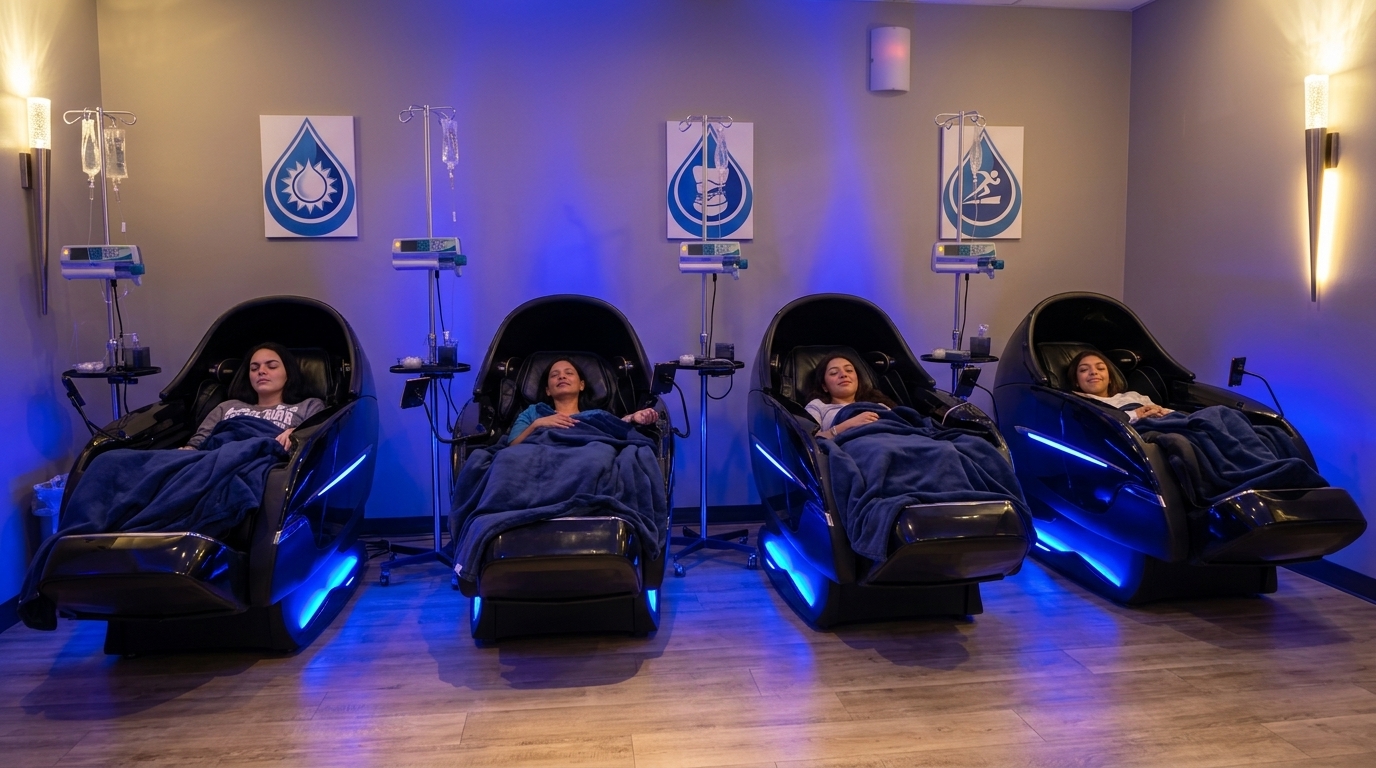
The good news: you have real influence over your glutathione status. Eat sulfur-rich foods like garlic, onions, eggs, and cruciferous vegetables (broccoli, cauliflower, Brussels sprouts), which provide the building blocks your body uses to make it. Prioritize sleep, manage stress, exercise regularly, and go easy on alcohol — all of which reduce the drain on your reserves. Nutrients like vitamin C, selenium, and cysteine-rich protein also help support production. And because glutathione taken as an oral pill is largely broken down during digestion, many people turn to IV therapy, which delivers it directly into the bloodstream for maximum absorption.
The Takeaway
You can't stop the clock, but you can support the systems that help you feel and function your best as you age. Glutathione — the master antioxidant — sits at the crossroads of energy, immunity, detoxification, and healthy aging, and it's one of the systems that needs the most support after 40. A few smart daily habits go a long way, and a targeted IV drip can give your levels a direct, efficient boost.
Get Your Glutathione for Less — New Guests Save
First time at Prime IV? Claim our $149 intro offer and add a glutathione boost to your drip for less on your very first visit. It's the easiest way to give your master antioxidant a direct, efficient top-up.
Claim the $149 Intro OfferFrequently Asked Questions
What is glutathione and why is it called the master antioxidant?
Glutathione is a tripeptide — a molecule made of three amino acids (glutamine, cysteine, and glycine) — produced naturally in nearly every cell of your body. It's called the 'master antioxidant' because it neutralizes free radicals directly, recycles other antioxidants like vitamins C and E, and plays a central role in detoxification, making it one of the most important molecules for cellular health.
Why do glutathione levels decline after 40?
Glutathione production tends to peak in early adulthood and steadily declines with age, with a noticeable drop for many people after 40. At the same time, oxidative stress increases with age and factors like chronic stress, alcohol, certain medications, and poor nutrition can deplete levels even faster — creating a gap between rising demand and falling supply.
How can I raise my glutathione levels naturally?
Eat sulfur-rich foods (garlic, onions, eggs, and cruciferous vegetables like broccoli and Brussels sprouts), prioritize sleep, manage stress, exercise regularly, and limit alcohol. Nutrients such as vitamin C, selenium, and cysteine-rich protein also support production. Because oral glutathione is largely broken down during digestion, IV therapy is a popular way to deliver it directly into the bloodstream.
Is IV glutathione better than taking a pill?
For many people, yes. Oral glutathione is largely broken down in the digestive tract before it reaches your cells, which limits how much your body actually absorbs. IV therapy bypasses digestion and delivers glutathione directly into your bloodstream for near-complete absorption, making it an efficient way to support healthy levels.
How do I add glutathione to my wellness routine in Bluffton, SC?
At Prime IV Hydration & Wellness in Bluffton, glutathione can be added to many of our IV drips, and every visit starts with a consultation with a licensed provider to match it to your goals. New guests can claim a $149 first-time intro offer — book online or call the studio at (843) 757-8700.
Ready to experience IV therapy in Bluffton, SC?
New guests can claim our $149 intro offer. Book online or call (843) 757-8700.